Panspermia: Cosmic Seeds of Life

Life did not arise in isolation it was spread across the universe as genetic seeds carried by comets, meteorites, and interstellar dust, preparing planets for the evolution of consciousness.

Explore the Cosmos

How Life Arrived Here

Natural Panspermia

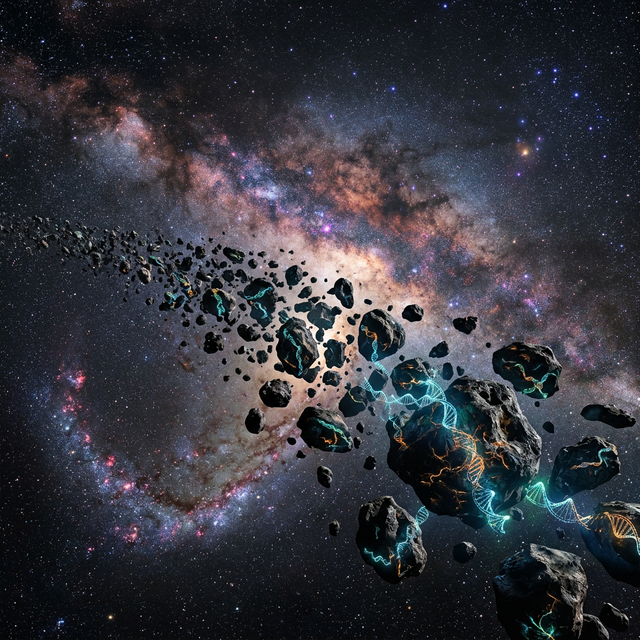
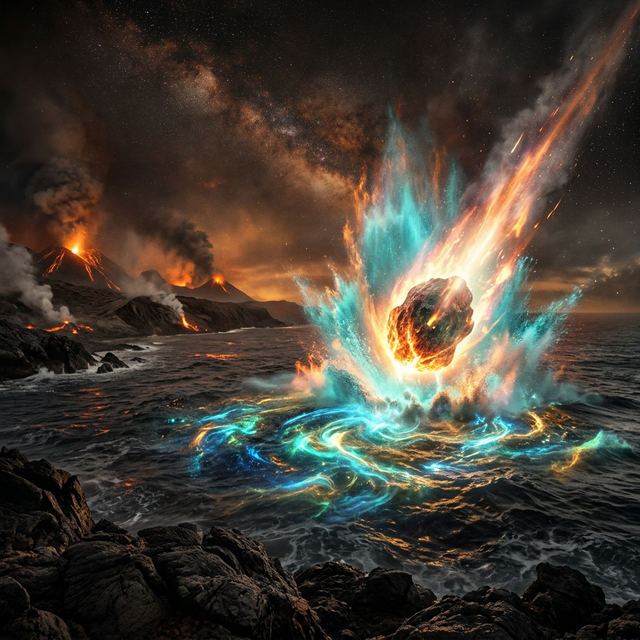
Certain forms of genetic material DNA structures, complex organic molecules, and fundamental building blocks of life travel through space inside comets, asteroids, and cosmic dust. When these celestial bodies reach a planet with favorable conditions (liquid water, suitable atmosphere, energy sources), the genetic material can integrate into the environment and serve as the foundation for the emergence and evolution of local life.
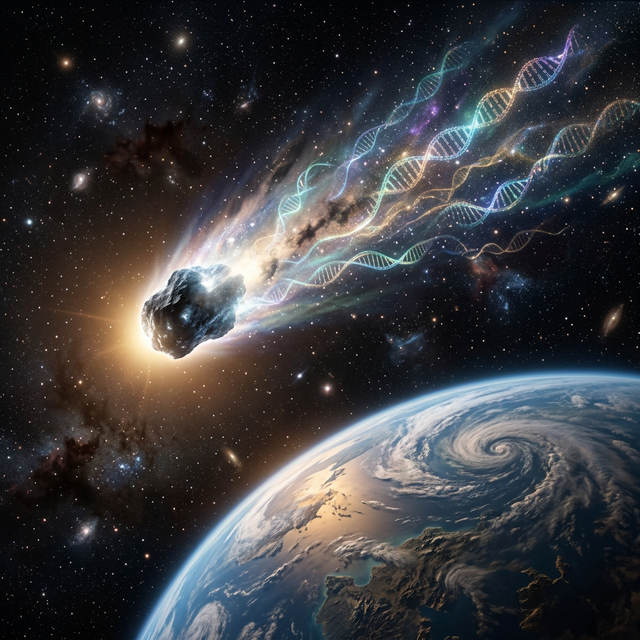
Interstellar comet releasing luminous particles of genetic material as it approaches a young planet with primitive oceans

Later Interventions

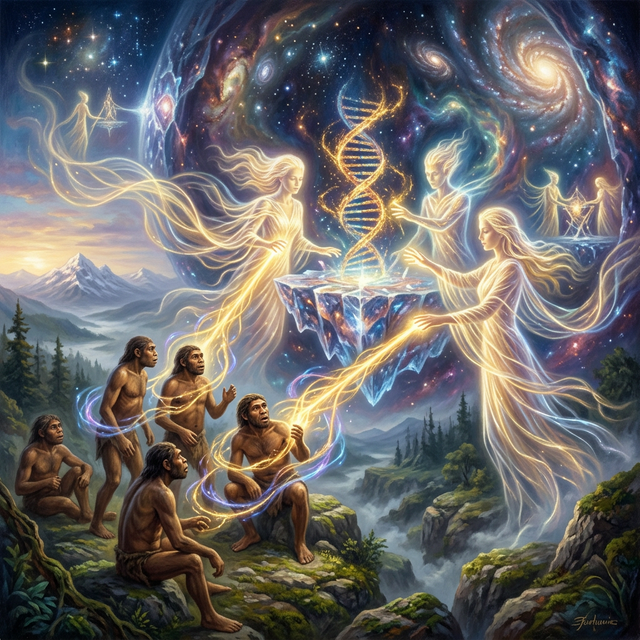
After the initial arrival of these seeds, directed genetic modifications took place by advanced intelligences. In at least three distinct moments, the genetic code of native life forms was adjusted, resulting in the creation of a hybrid species with greater potential for consciousness, creativity, and spiritual connection.

Beings of light in ethereal attire working in a cosmic laboratory modifying primitive hominids
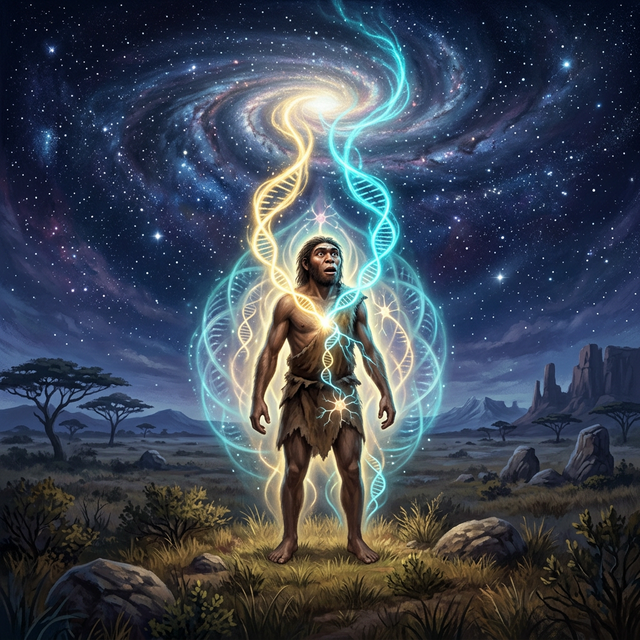
Primitive human ancestor receiving an infusion of luminous golden and cyan energy elevating its genetic structure

Broader Vision

Life is a distributed phenomenon, like seeds scattered across an immense garden. Fertile planets receive these seeds and, over time and with conscious interventions, develop forms capable of questioning, creating, and ascending.

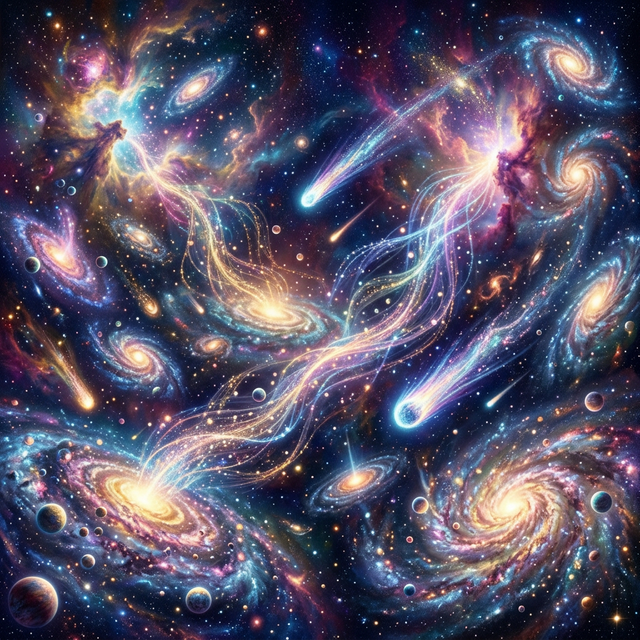
Galaxies filled with planets being seeded by streams of luminous genetic particles coming from nebulae and comets

Evidence from the Cosmos

While the full story of life's origins remains a profound mystery, growing scientific findings point toward the universe actively distributing the raw materials and possibly even resilient forms of life across planets. Discoveries from asteroid samples, comet missions, and space exposure experiments reveal that the building blocks of life are not unique to Earth, but part of a larger cosmic process.

Organic molecules in space rocks

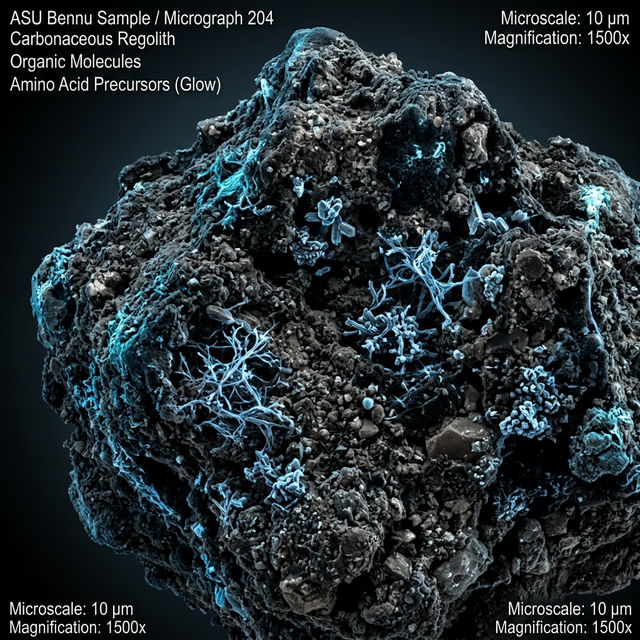
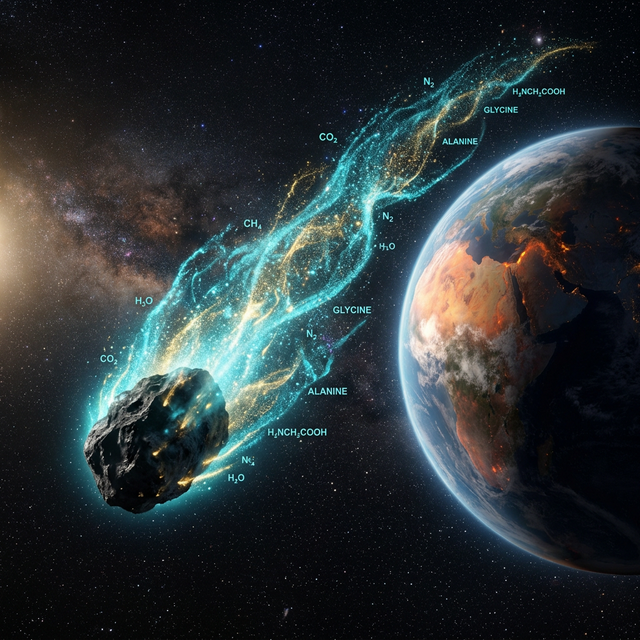
Missions like NASA's OSIRIS-REx (sample return from asteroid Bennu in 2023–2025) and Japan's Hayabusa2 have brought back material containing 14 of the 20 amino acids used in Earth life, along with carbon compounds, ammonia, salts, and precursors to DNA and RNA. These findings show that complex organic chemistry occurs naturally in space and can be delivered to young planets via asteroids and meteorites.

Asteroid Bennu fragment rich in carbon compounds and organic molecules

Microbial survival in the vacuum of space

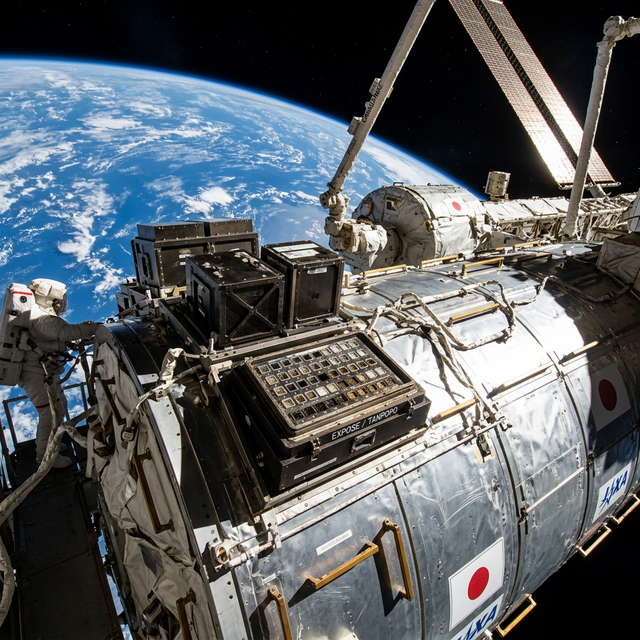
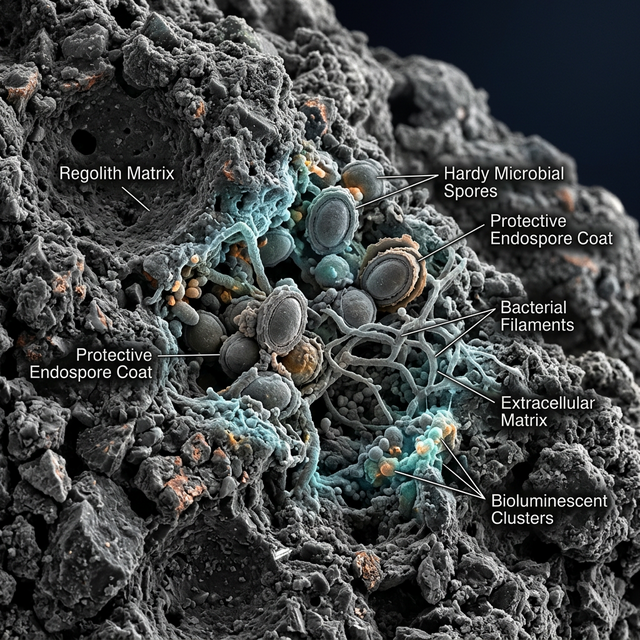
Experiments on the International Space Station (ISS), including multi-year exposures (EXPOSE, Tanpopo, and recent 2–3 year tests), have demonstrated that certain hardy microorganisms such as Bacillus subtilis spores, Deinococcus radiodurans, and fungi can survive the extreme conditions of open space: vacuum, intense UV radiation, cosmic rays, and temperature swings. Some spores remained viable after years outside the station, supporting the possibility that life (or its precursors) could travel between worlds protected inside meteorites or comets.

International Space Station experiment trays showing microbial samples exposed to space
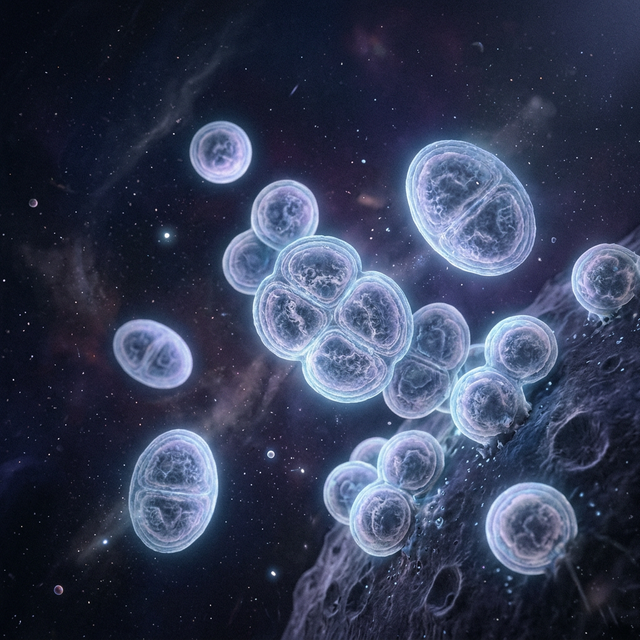
Microscopic view of extremophile bacteria spores surviving in space-like conditions

Connecting the dots to a cosmic garden

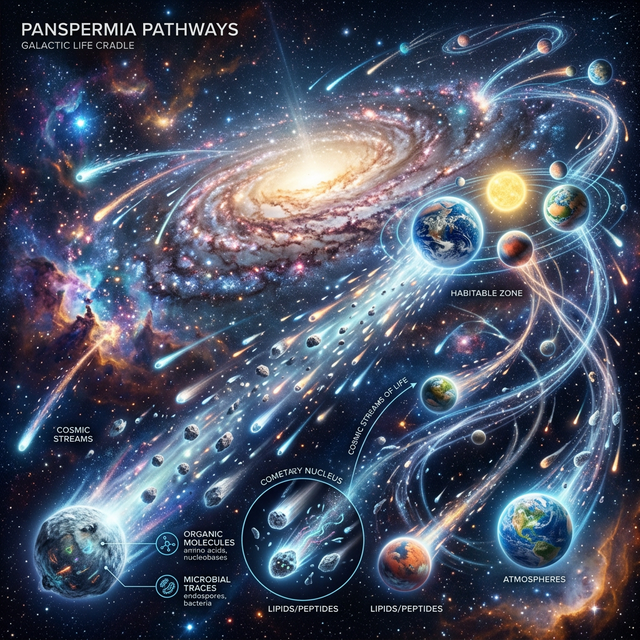
These lines of evidence abundant organics in asteroids/comets, proven microbial endurance in space, and the rapid appearance of life on early Earth align with the idea that our planet was not an isolated chemical accident, but part of an interconnected cosmic process where seeds of life (molecular or even biological) are scattered far and wide, waiting for the right conditions to unfold into conscious, evolving forms.

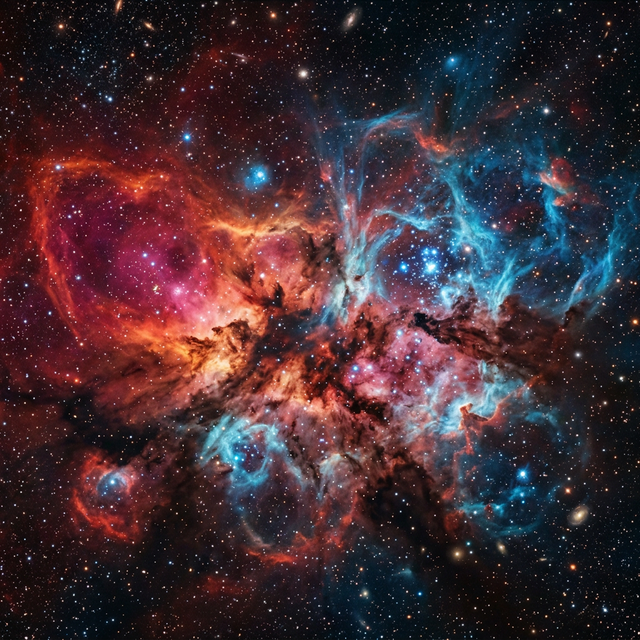
Panoramic cosmic scene showing comets and meteoroids carrying organic molecules to habitable planets

If the stars sparked something in you, or if you'd like to share your own reflections, feel free to get in touch.